

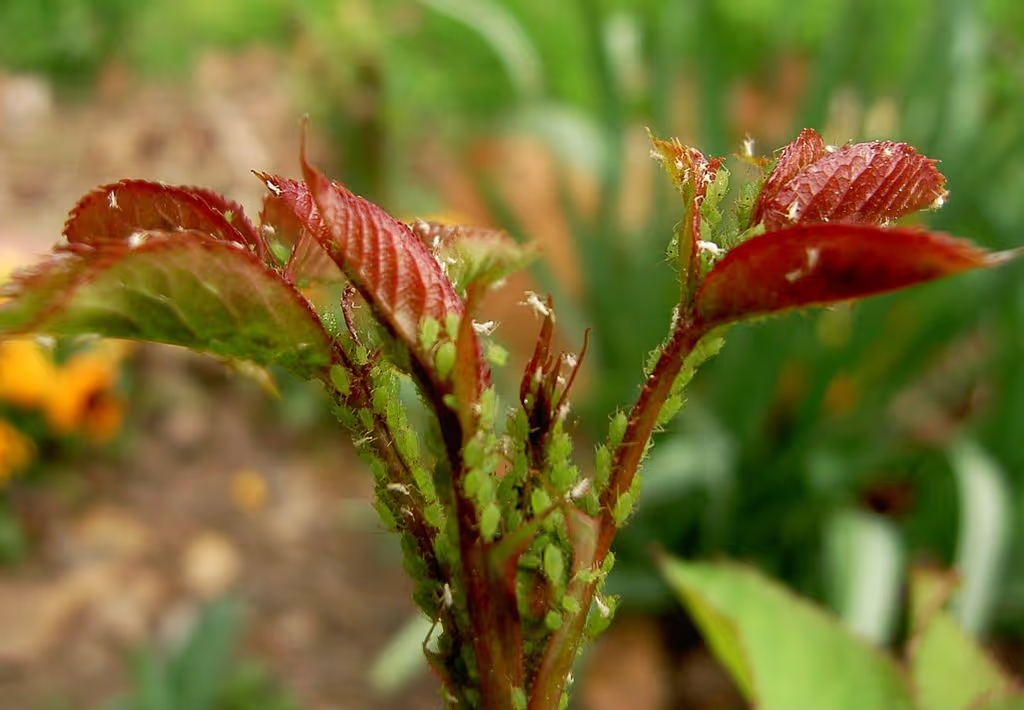
Aphids on the new growth of a rose. click to enlarge
Aphid infestations can pop up seemingly overnight, covering the tender new growth of almost any plant in a mass of tiny swaying bodies. In large numbers they can cause leaf distortion and a sticky mess of honeydew (we talked about honeydew and the sooty mold it can promote here). They can also spread plant diseases that can blemish or even kill your plants. Fortunately, they are easier to control than many other garden pests. Here’s how to manage-and maybe even prevent-an aphid problem in your landscape.
Aphids are soft-bodied insects, easily identified by the “tailpipes” or cornicles protruding from the rear of their body. They may or may not have wings, and can be almost any color depending on species and food source, including green, red, blue, yellow and orange. They form dense colonies and are generally found on tender new growth or on the undersides of leaves. Different species prefer feeding on different plants or plant families. Luckily, this means an infestation on one type of plant in your garden tends to stay fairly contained.
Evidence of aphids can be honeydew or sooty mold on leaves, presence of ants (feeding on the sugary honeydew-ants will also defend aphids from insect predators), tiny skins from molting that looks like “plant dandruff” on leaves, and leaf distortion, curling or yellowing.
Aphids can reproduce asexually, with females bearing live young. These young are almost always female in summer; males generally don’t appear until summer’s end. Each female aphid can bear as many as 80 daughters, each one bearing 80 more…and suddenly you notice an aphid problem.
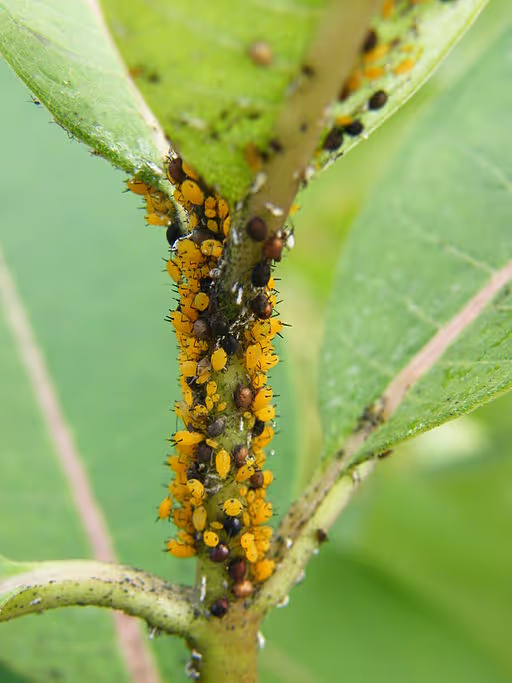
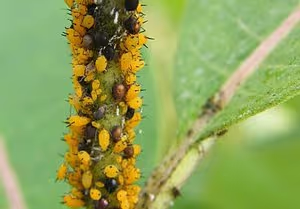
Oleander or milkweed aphid on milkweed. Notice the black and brown aphids-these have been parasitized by a tiny wasp. White flakes are molted aphid skins. click to enlarge
Many other insects prey on aphids: ladybugs, tiny parasitic wasps and midges, lacewing and others. A healthy garden ecosystem will generally have aphid predators in it, particularly if pesticides are chosen and used wisely. Often an aphid colony just getting established will be wiped out by beneficial insect predators before you even notice it.
Their physiology and habits make them easier to kill than many other plant pests. Their preference of host plants, relatively weak legs and lack of wings makes simply knocking them off the plant with a strong jet of water from a garden hose a pretty effective (and completely non-toxic) method of control.
For the non-squeamish, putting on a disposable glove and wiping/crushing the aphids off the new growth where they tend to mass can also be effective control. The tendency to feed on new growth means a light pruning can remove most of them also.
Since they can’t fly or run away and are not protected by a hard exoskeleton, they are very susceptible to organic pesticide sprays. Horticultural soaps and oils work great on aphids, as does neem oil and pyrethrin. Good coverage is essential when using these sprays, as with the exception of neem oil they have no residual effect. Besides smothering insects, Neem oil also works when an insect ingests it, but it is still practically non-toxic to predatory insects and honeybees.
Finally, here’s how you discourage aphids from finding your plants attractive in the first place: avoid high-nitrogen fertilizers and preferentially use organic, slow release types. Aphids are very strongly attracted to high nitrogen levels in lush, fast-growing new growth for several reasons, most importantly is that the sugar levels of the plant sap are lower when nitrogen is high. High sugar content in the plant sap is toxic to aphids, which is why they excrete it as honeydew. In short, using less nitrogen will encourage aphids to pick your neighbor’s garden.

Here are the common ways your landscape is telling you it needs help.

Controlling fall and winter weeds is a constant battle. Here are some of the reasons control can be difficult.
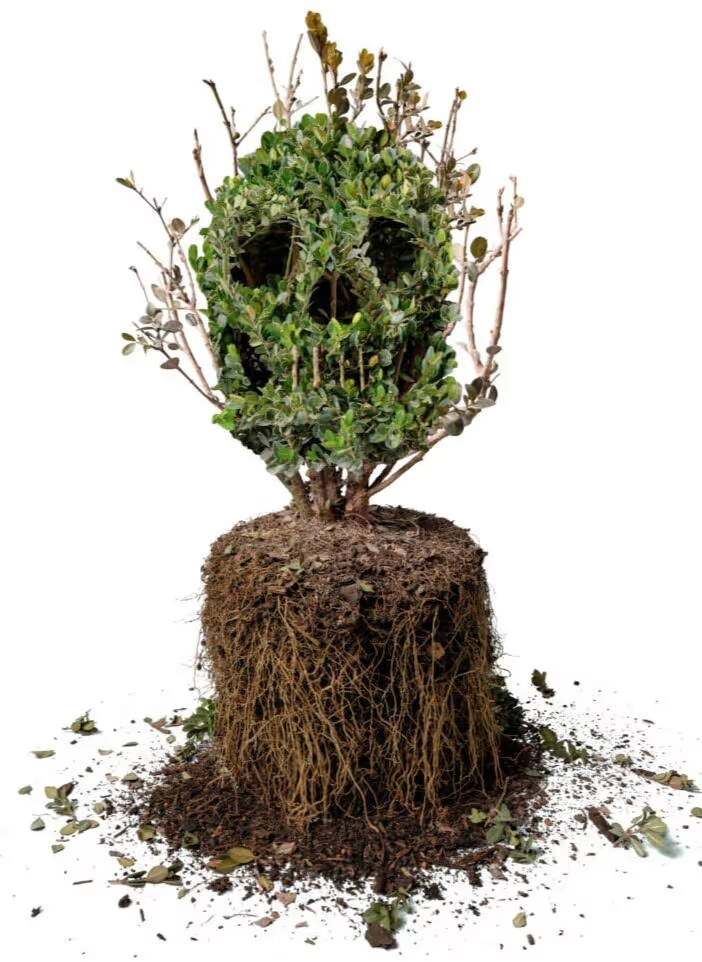
New Garden Landscaping & Nursery feels that Boxwood Blight could have a major impact on landscapes containing boxwood in the near future. Here’s what you need to know about the disease.
Since fall is the time to plant spring blooming bulbs, here are the answers to some common questions about bulbs.
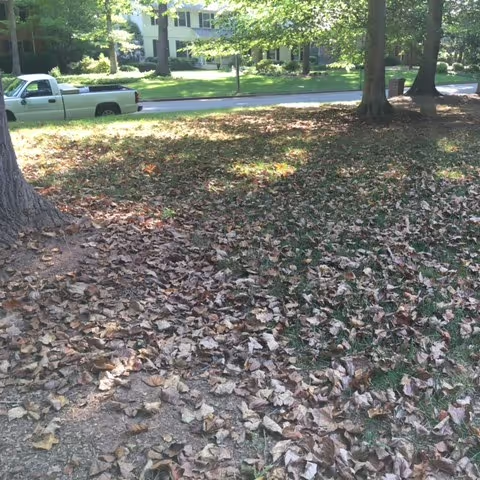
Don't panic, there are a few common (and benign) reasons that trees drop leaves in summer.
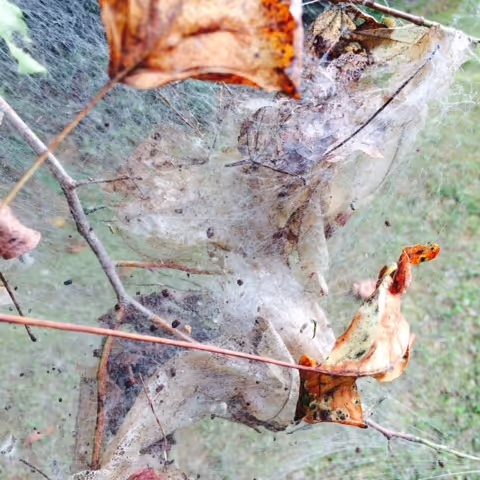
Ugh! What’s nastier than a sack of crawly caterpillars hanging from your trees? How about a dozen of ‘em?
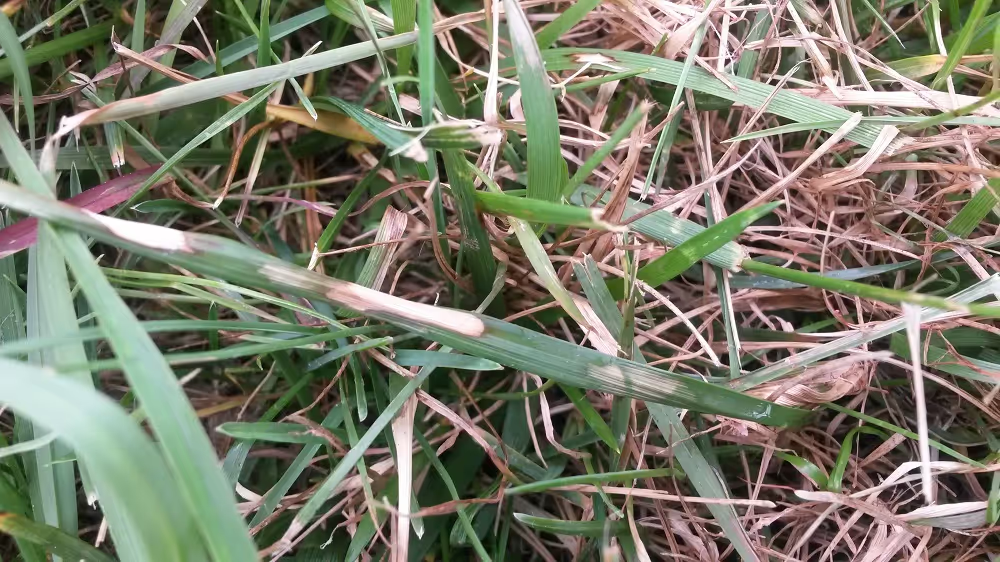
Quick tips for avoiding the fungal disease Brown Patch in lawns
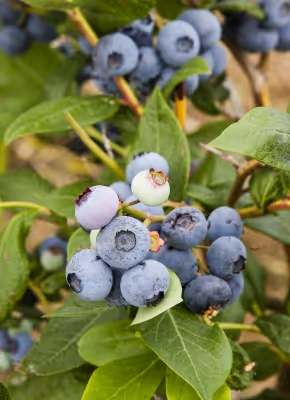
Blueberries make great container plants! Watch this video from our friends at Espoma for tips and see how easy it is to grow blueberries in containers.
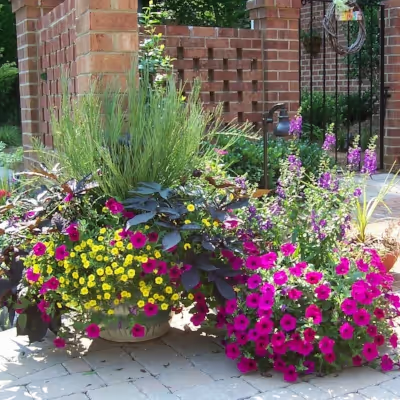
Good container plantings require little maintenance aside from watering and can enhance your home through the spring, summer, and fall.
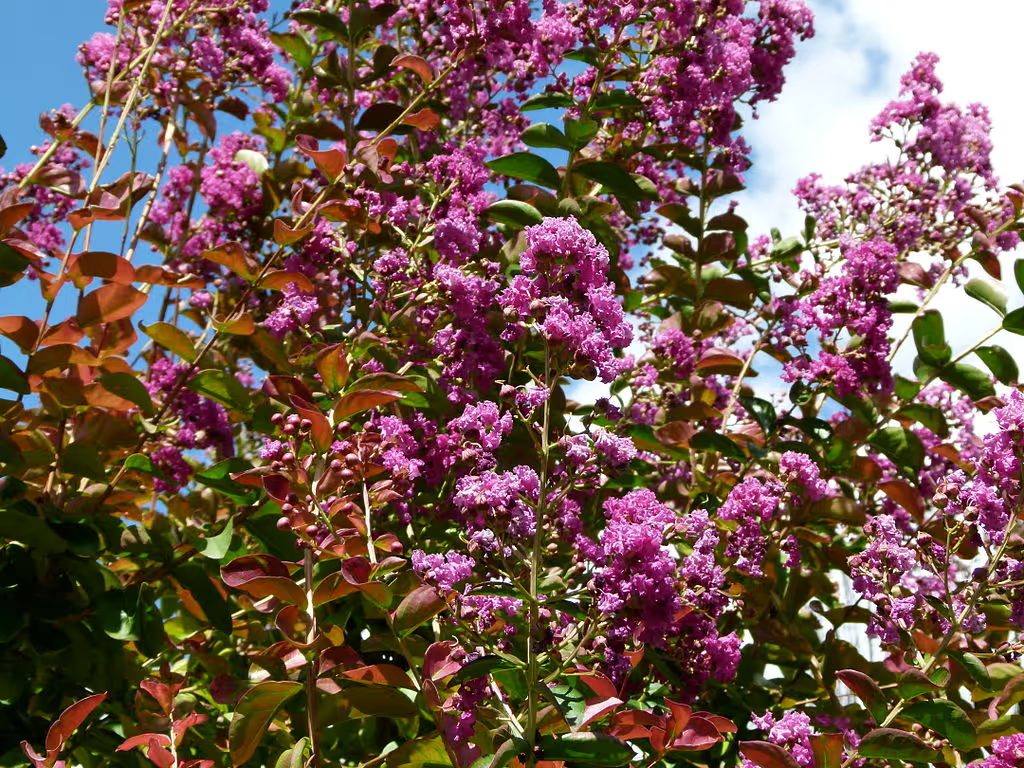
Unlike some other flowering plants, crapes will develop their flower buds on new growth.

With over 1,700 different species, Begonias (family Begoniaceae) is the fifth most diverse class of plants.
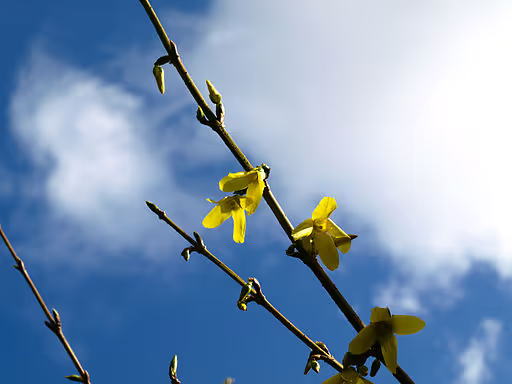
Is your forsythia starting to bloom for Christmas? Here's why some plants flower during warm winter days.
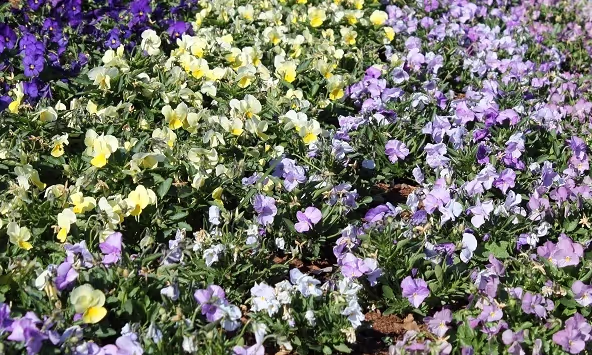
This is a question we have been asked frequently this fall.
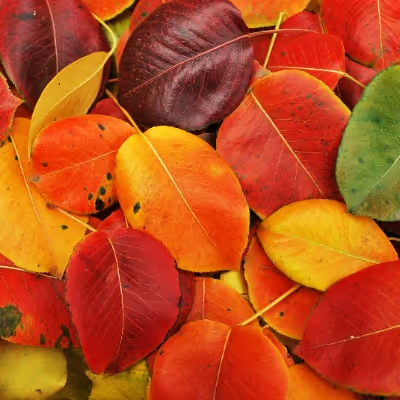
Where and why this is not bad advice, and where it’s a terrible idea.
Have a question or want to discuss your property? Fill out the form below, and we’ll get back to you as soon as we can!