

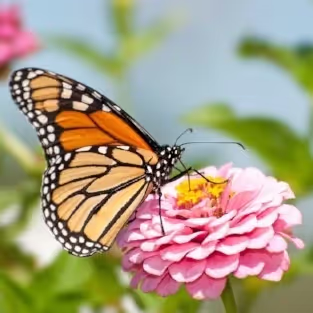
Butterflies are delightful living jewels that beautify any garden. With a little planning, you can create a garden that welcomes butterflies in all their life stages for enjoyment throughout the summer.
Planting flowers that supply adult butterflies with nectar will attract some butterflies to your garden, but to attract and keep many different species to enjoy, you'll have to include host plants also. What are host plants? They are the plants that female butterflies lay their eggs on, which hatch into caterpillars. Each species of butterfly has specific plants that nourish the growing caterpillar, and they cannot survive on any other plant.
African Marigold, Alfalfa, Clover, Asters, Black-eyed Susan, Cabbage, Kale, Citrus, Common Milkweed, Dill, French Marigold, Hollyhock, Lupine, Parsley, Passionflower, Queen Anne's Lace, Rock Cress, Sedum spectabile, Showy Milkweed, Snapdragon, Sunflower, Swamp Milkweed, Sweet William, Violets
Birch, Black willow, Boxelder, Elm, Hawthorn, Oak, PawPaw, Poplar, Spicebush, Sycamore, Wild Cherry
Adult butterflies drink nectar from flowers, and having a selection of nectar plants that bloom in succession throughout the season will bring butterflies to your garden. Annuals tend to have longer bloom times than perennials.
Achillea, African Marigold, Aster, Bee Balm, Black-eyed Susan, Blanketflower, Daylily, French Marigold, Gayfeather, Globe Thistle, Gloriosa Daisy, Goldenrod, Heliotrope, Joe Pye Weed, Lupine, Mallow, Mexican Sunflower, Milkweed, Mints, Mountain Bluet, Nasturtium, Oxeye Daisy
Black Willow, Coralberry, Korean Lilac, Mock Orange, Plum, Cherry, Pussy Willow, Sweet Pepperbush, Butterfly Bush, Bluebeard, Tropical Hibiscus, Azalea
Wherever possible, avoid using pesticides in your butterfly garden. If other insects become a problem you must deal with, treat only the areas affected with insecticidal soaps or oils.
Occasionally, a butterfly may take refuge in your butterfly house, but most will prefer to hide in natural areas, under loose tree bark, in tall unmowed grass and undisturbed brush piles.
Have a question or want to discuss your property? Fill out the form below, and we’ll get back to you as soon as we can!